
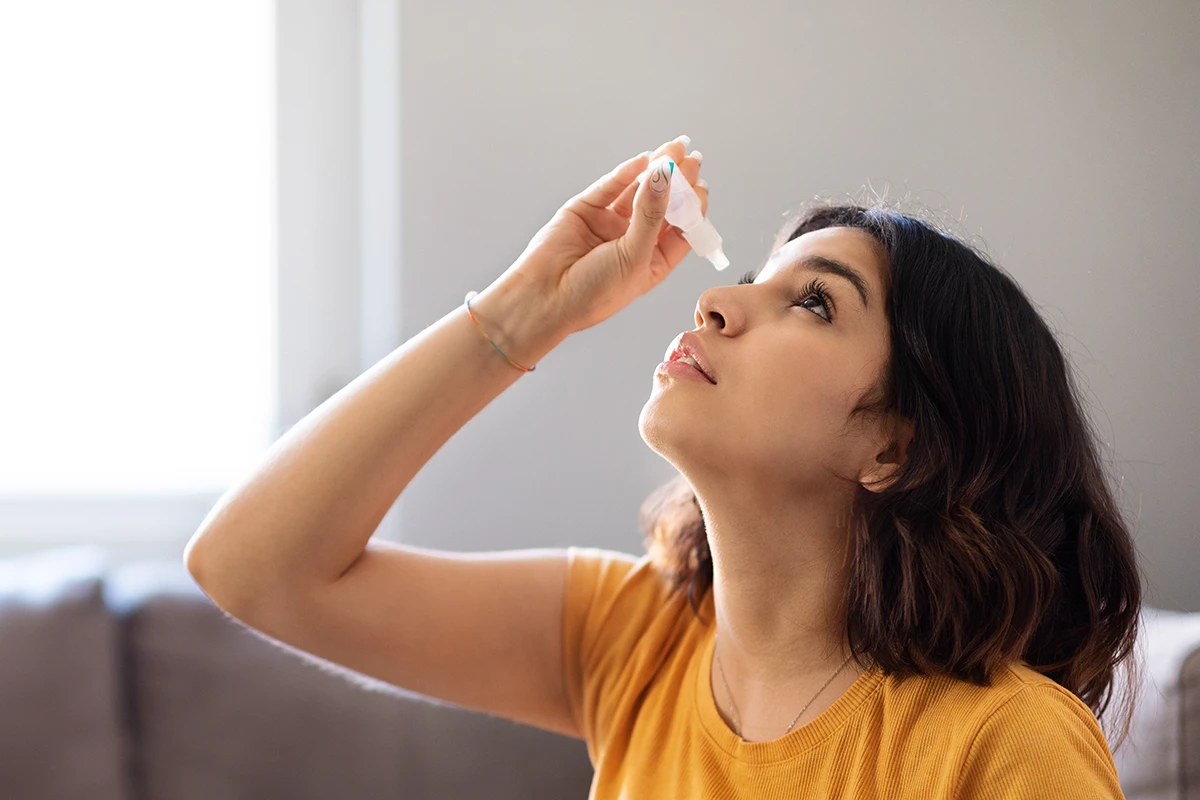
Many women experience dry, irritated, and gritty eyes without realizing that one of the strongest risk factors for dry eye is gender.
Dry eye affects women far more often than men—research shows they are roughly twice as likely to develop dry eye disease.¹ Hormonal fluctuations throughout a woman’s life can directly influence both tear production and tear stability on the surface of the eye, which helps explain this pattern.
Read on to learn why women face a higher risk of dry eye and which everyday factors might be quietly worsening symptoms.
Why does dry eye affect women more than men?
A healthy tear film depends on three layers—water, oil, and mucus—that work together to keep the eye surface smooth and comfortable. When that balance changes, dry eye occurs.
Several factors raise risk in women, including:
- Hormonal fluctuations
- Natural aging changes
- Autoimmune conditions
- Certain medications
- Contact lens wear
- Increased screen time
Most women experience more than one of these factors, which increases the likelihood of ongoing symptoms.
How hormones influence tear production
Hormones affect many parts of the body, including the glands that produce and stabilize tears. Estrogen and androgen levels shift throughout life, and those changes can reduce tear production or disrupt the oily layer that slows tear evaporation. As a result, tears break down more quickly and leave the eye surface exposed and irritated.
Women often notice symptoms during key hormonal stages, such as:
- Pregnancy
- Breastfeeding
- Perimenopause
- Menopause
Symptoms may start off intermittently and gradually become more consistent over time.
Health conditions that increase dry eye risk in women
Women develop certain medical conditions more frequently than men, and many of these conditions directly affect tear production or tear stability.
Key contributors include:
- Autoimmune diseases: Conditions such as Sjögren’s syndrome and rheumatoid arthritis occur more often in women and can significantly reduce tear production.
- Thyroid disease: Women are five to eight times more likely than men to develop thyroid disorders, and about one in eight women will develop a thyroid condition during their lifetime.² Thyroid changes can disrupt tear film stability and contribute to dryness.
- Rosacea: This inflammatory skin condition commonly affects women and often involves the eyelids and meibomian glands, which support the oily layer of tears.
- Chronic allergies: Women report higher rates of allergies, and ongoing inflammation can destabilize the ocular surface and worsen dryness.
When these conditions combine with hormonal shifts or environmental stressors, dry eye symptoms often become more noticeable.
Everyday habits that can contribute to dryness
Daily routines also influence tear health, especially for women who wear makeup or spend long hours on screens.
Common contributors include:
- Eye makeup use: Eyeliner, mascara, and shadow can block or irritate oil glands along the eyelid margin
- Makeup removal routines: Harsh cleansers or incomplete removal can inflame the eyelids and disrupt tear stability
Common dry eye symptoms
Dry eye symptoms vary, but many women with dry eye experience:
- Burning or stinging
- A gritty or sandy sensation
- Watery eyes
- Blurry or fluctuating vision
- Light sensitivity
- Eye fatigue after reading or screen use
- Discomfort when wearing contact lenses
How aging affects dry eye
Dry eye risk increases with age as tear-producing and oil-producing glands become less efficient. Tear volume may decrease, and oil production may slow, allowing tears to evaporate more quickly.
For many women, aging overlaps with hormonal changes, which further increases the likelihood of persistent symptoms.
When dry eye needs more than eye drops
Artificial tears can provide temporary relief, but they don’t always address the underlying cause of dry eye. When symptoms continue, a dry eye specialist can identify whether inflammation, gland dysfunction, hormones, or lifestyle factors play a role.
Treatment options may include:
- Prescription eye drops to reduce inflammation and improve tear quality
- Warm compresses and eyelid hygiene to support oil gland function
- Nutritional support, such as omega-3 supplementation
- Lifestyle changes to reduce eye strain from screens and environmental triggers
- In-office dry eye treatments, such as intense pulsed light (IPL) therapy and low level light therapy, which target inflammation and meibomian gland dysfunction more directly
These treatments focus on improving tear stability rather than just masking symptoms.
Find lasting relief from dry eye symptoms
Dry eye can affect reading, driving, screen use, and overall comfort throughout the day. While women face a higher risk of developing this condition, relief is possible with personalized care and the right solutions.
At Magnolia Eye Care, our skilled eye doctors in King provide comprehensive eye exams to identify contributing factors and create personalized treatment plans. Schedule an appointment to find relief and support healthier, more comfortable vision.
References:
- Prevalence of diagnosed dry eye disease in the United States among adults aged 18 years and older. ajo.com
- General information/press room. thyroid.org