Stellest lenses in King, NC
Stellest lenses in King, NC
Introducing Stellest® lenses
If your child has started squinting at the board, sitting closer to the TV, or asking for stronger eyeglasses, it can feel like their vision is changing overnight. At Magnolia Eye Care, we offer Essilor Stellest® lenses in King as a practical, kid-friendly option for families who want more than “new glasses every year.” Stellest lenses are designed for children with myopia (nearsightedness) and are built to help them see clearly day to day while also slowing the progression of myopia as they grow.
Stellest lenses are FDA-authorized spectacle lenses that do two jobs at once: correct vision and help slow myopia progression over time.
Why myopia management matters for kids
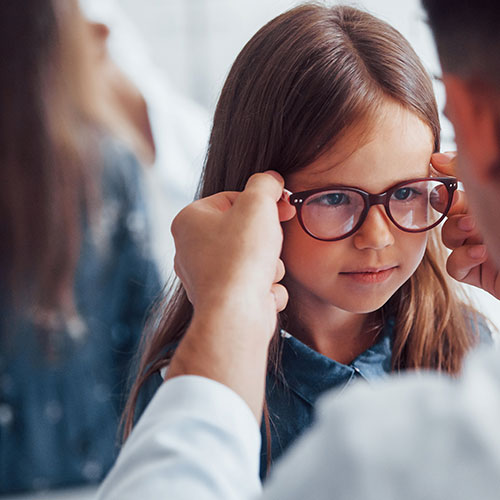
Myopia isn’t only about seeing the whiteboard. As a prescription climbs, it can raise lifelong risks tied to eye diseases in adulthood. That’s why we pay close attention to changing prescriptions during your child’s annual pediatric eye exam, and why myopia management is a conversation we’re having with more families each year.
If your child already wears glasses, Stellest can feel like a simple next move because it fits into their normal routine: kids wear them like every day eyewear.
How Stellest lenses work
Stellest lenses use a technology called Highly Aspherical Lenslet Target (H.A.L.T.). In the lens design, 1,021 tiny (invisible) lenslets help create “myopic defocus,” which signals the eye to slow down the excessive elongation that’s associated with myopia progression.
In clinical studies, Stellest lenses slowed myopia progression by an average of 71% compared to standard single-vision lenses (Essilor International, data on file, 2025).
For best results, consistent wear matters. Many kids do well wearing them most days of the week for extended hours; think 6 days a week for 10 hours a day, or “school day + after school.”
Who is a good fit for Stellest lenses?
Stellest spectacle lenses are typically recommended for children ages 6–12 with myopia, with or without astigmatism. They’re a great match for families who want an option that:
- Doesn’t require putting contact lenses in a child’s eyes
- Works in a regular pair of frames
- Supports both clear vision now and a slower rate of prescription change over time
Some kids are too young (or simply not ready) for specialty contacts. For others, parents prefer to hold off on contacts even after a contact lens exam. Stellest keeps things straightforward with glasses your child can actually wear and stick with.
What to expect at your child’s visit
We’ll start with a pediatric eye exam to confirm the prescription and check overall eye health. We also look for early signs of issues that can affect vision and comfort—because kids don’t always know what “normal” vision feels like.
And for parents: if you’re managing health concerns like diabetes, let us know. Family health history can help guide how closely we monitor certain risk factors over time.
If Stellest is a fit, we’ll talk through frame options, how wear time affects results, and how we’ll track changes at follow-ups.
Help your child see clearly with a plan that fits real life
At Magnolia Eye Care, our eye doctors take the time to get to know your child’s habits, school demands, and visual needs, and tailor recommendations to match. You’ll get experienced guidance and genuinely personalized care, not a one-size-fits-all treatment.
Schedule an appointment to see if Stellest lenses are a good match for your child.
How long will my child need Stellest lenses?
Stellest lenses are used during the years when myopia tends to change the fastest. Your child’s prescription can still shift with growth, and we’ll monitor their progress and adjust the plan as needed.
Are Stellest lenses covered by insurance?
Coverage varies. Since Stellest is new to the market, some plans cover portions while others don’t. We can review options with you so you can decide what fits your family’s budget.
Will my child need a second pair of glasses?
Most children can use Stellest lenses as their main everyday pair. They’re designed for normal daily wear during school, sports practice, and weekend activities.
How often do I need an eye exam?
We recommend getting a comprehensive eye exam every 1-2 years. However, if you have an underlying condition or a high risk of developing eye diseases, you may need to see our eye doctor more frequently.
What if my child has trouble adjusting?
Some kids notice a short “getting used to it” phase, usually within the first week. If your child seems uncomfortable or says their vision feels off after that, we’ll want to see them to fine-tune the prescription or talk through alternatives.